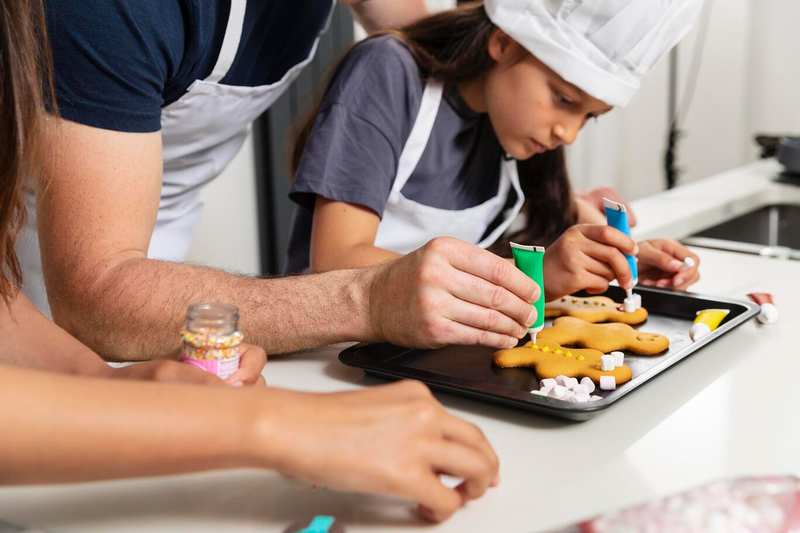
Paon Bali Cooking Class is a distinguished family-operated culinary school located in the tranquil village of Petulu, near Ubud, Bali. This authentic cooking experience is founded and personally hosted by local Balinese couple Wayan and Puspa, who have dedicated themselves to sharing the rich culinary traditions of their homeland with visitors from around the world. The school provides participants with an immersive, hands-on approach to learning traditional Balinese cooking techniques while simultaneously offering deep insights into the island's vibrant food culture, indigenous ingredients, and the daily rhythms of Balinese village life.
Unlike commercial cooking schools, Paon Bali operates from an authentic family compound, ensuring that every aspect of the experience remains genuine and rooted in actual Balinese customs and traditions. The intimate setting allows for personalized attention and meaningful cultural exchange between hosts and guests, creating memories that extend far beyond the kitchen.
Situated in the scenic Laplapan area of Petulu village, Paon Bali Cooking Class benefits from its strategic location just outside the bustling center of Ubud. This positioning provides visitors with easy access while maintaining the peaceful, rural atmosphere that characterizes traditional Balinese village life. The school is surrounded by verdant rice paddies and lush tropical vegetation, offering a serene backdrop that enhances the overall culinary and cultural experience.
The Paon Bali Cooking Class experience begins with an educational and engaging guided tour of a nearby traditional Balinese market. This market visit serves as an essential introduction to the foundation of Balinese cuisine, where participants gain firsthand knowledge about the fresh, locally-sourced ingredients that form the backbone of authentic Balinese dishes.
During this market excursion, guests learn to identify and understand various components of Balinese cooking, including:
Wayan and Puspa provide detailed explanations about how to select the highest quality ingredients, the cultural significance of certain foods, and how different ingredients are utilized in Balinese cooking. This market visit transforms grocery shopping into a cultural education, helping participants understand the deep connection between Balinese people and their local food sources.
Following the market tour, participants return to the Paon Bali compound for the main cooking session. The classes take place in a beautiful open-air kitchen that is part of a traditional Balinese family compound. This authentic setting provides the perfect environment for learning, with natural ventilation and a connection to the surrounding nature that is characteristic of Balinese architecture.
The hands-on cooking session is structured to ensure that all participants actively engage in the preparation process rather than simply observing. Under the patient and expert guidance of the hosts, guests prepare a comprehensive range of classic Balinese dishes. The instruction is clear, practical, and accommodating to various skill levels.
Participants at Paon Bali Cooking Class learn to prepare an impressive array of authentic Balinese dishes, including:
These dishes represent the diversity and complexity of Balinese cooking, from everyday meals to ceremonial foods. Each recipe provides insight into different cooking techniques, spice combinations, and the cultural context in which these foods are traditionally consumed.
All cooking classes at Paon Bali are conducted entirely in English, making the experience accessible to international visitors. The hosts are proficient in explaining complex cooking techniques and cultural concepts in clear, understandable language. This linguistic accessibility ensures that participants from diverse backgrounds can fully engage with both the practical cooking instruction and the cultural education that accompanies it.
Paon Bali Cooking Class demonstrates exceptional flexibility in accommodating various dietary requirements and preferences. The school welcomes participants with specific dietary needs and can adapt the menu accordingly with appropriate advance notice.
Dietary options available:
This inclusive approach ensures that everyone, regardless of their dietary choices or requirements, can participate fully in the authentic Balinese cooking experience. The hosts are experienced in modifying traditional recipes to meet these needs while maintaining the authentic flavors and techniques that characterize Balinese cuisine.
One of the most appealing aspects of Paon Bali Cooking Class is its welcoming approach to participants of all cooking skill levels. The classes are thoughtfully designed to be accessible and enjoyable whether you are:
The hosts adjust their instruction style and level of guidance based on each participant's comfort level and previous experience, ensuring that everyone feels supported throughout the cooking process while still being appropriately challenged.
Paon Bali Cooking Class distinguishes itself by offering much more than simple cooking instruction. The experience functions as a comprehensive cultural immersion that introduces participants to multiple facets of Balinese life and traditions. This holistic approach helps visitors understand that in Balinese culture, food is never merely sustenance—it is intimately connected to spirituality, community, and cultural identity.
During the class, participants gain insight into traditional Balinese home architecture and compound layout. The physical space where the cooking class occurs is itself a teaching tool, demonstrating the principles of Balinese spatial organization and the relationship between different structures within a family compound. Guests learn about:
The Paon Bali experience includes education about Balinese communal dining customs and the social aspects of food consumption. Participants learn how meals function as opportunities for family bonding and community connection in Balinese culture. The hosts explain traditional dining etiquette, the significance of eating together, and how food sharing strengthens social bonds within Balinese communities.
A particularly fascinating aspect of the cultural education at Paon Bali Cooking Class is the exploration of how cooking and food intertwine with Balinese spirituality and ceremonial life. Wayan and Puspa provide thoughtful explanations about:
This spiritual dimension adds profound depth to the cooking experience, transforming it from a simple culinary lesson into a window into the Balinese worldview and relationship with the divine.
The hosts also share insights into how cooking and food relate to Balinese social life beyond the immediate family. Participants learn about communal cooking practices, how food facilitates neighborhood relationships, and the role of culinary traditions in maintaining social cohesion within Balinese villages.
By integrating all these cultural elements—architecture, dining customs, spirituality, and social practices—Paon Bali Cooking Class creates a truly holistic learning environment. Participants leave with not only new cooking skills and recipes but also a deeper appreciation for the cultural context that gives Balinese cuisine its meaning and significance.
Paon Bali Cooking Class is nestled in the breathtakingly beautiful landscape of Laplapan village, an area characterized by its lush tropical vegetation and traditional agricultural practices. The school operates from an authentic Balinese family home that is surrounded by picturesque rice paddies, offering participants a genuine glimpse into rural Balinese life.
The natural setting contributes significantly to the overall experience:
The cooking classes take place within the hosts' actual family compound, not a purpose-built commercial facility. This authentic setting provides:
The family compound setting creates a warm, inviting atmosphere that commercial cooking schools cannot replicate, making participants feel less like tourists and more like welcomed guests in a Balinese home.
Paon Bali Cooking Class has established an exceptional reputation among both visitors and travel professionals. The school consistently receives outstanding reviews from participants who praise various aspects of the experience.
The cooking school ranks among Ubud's top-rated cooking experiences, a significant achievement given the competitive culinary tourism landscape in this popular area. This high ranking reflects:
Participants frequently highlight specific aspects of Paon Bali Cooking Class in their reviews:
Paon Bali Cooking Class is frequently recommended as a must-do activity for visitors to Ubud and Bali more generally. Travel guides, bloggers, and previous participants consistently suggest this cooking class as an essential experience for anyone seeking:
The school's reputation as a must-do activity reflects its success in delivering an experience that exceeds expectations and creates lasting positive memories for participants.
Unlike many commercial cooking schools operated as businesses, Paon Bali remains a genuinely family-run operation. This authenticity permeates every aspect of the experience, from the setting to the instruction to the cultural insights shared.
The integration of culinary instruction with broader cultural education sets Paon Bali apart. Participants gain understanding not just of how to cook Balinese food, but why these foods matter within Balinese culture.
The intimate, personal nature of the classes allows for meaningful connections between hosts and participants. Many guests describe feeling a genuine bond with Wayan and Puspa by the end of their class.
The stunning rural location enhances the experience, providing a peaceful, beautiful environment that contrasts with more urban or commercialized settings.
The hands-on nature of the instruction ensures that participants acquire practical skills they can actually use to recreate authentic Balinese dishes in their own kitchens after returning home.
The willingness to accommodate different skill levels and dietary requirements ensures that virtually anyone can participate and enjoy the experience.
Paon Bali Cooking Class represents an outstanding opportunity for visitors to Bali to engage authentically with the island's rich culinary heritage. Through the combination of market tours, hands-on cooking instruction, cultural education, and warm hospitality, Wayan and Puspa have created an experience that transcends typical tourist activities. The school's family-run nature, beautiful rural setting, and genuine commitment to cultural sharing make it a standout choice among Ubud's many cooking classes. For travelers seeking meaningful cultural engagement, practical culinary skills, and memorable personal connections during their time in Bali, Paon Bali Cooking Class offers an experience that consistently delivers on all these dimensions. The exceptional reputation and top rankings this cooking school has earned reflect the quality, authenticity, and value it provides to every participant who walks through its doors.
 Customer Services